
Learn
Understand what your child is going through
Clear, calm guides for parents: what a condition or situation is, what you might notice, what helps at home, and when to ask a professional. To inform, not to alarm.
Conditions
Common developmental conditions, explained for parents.
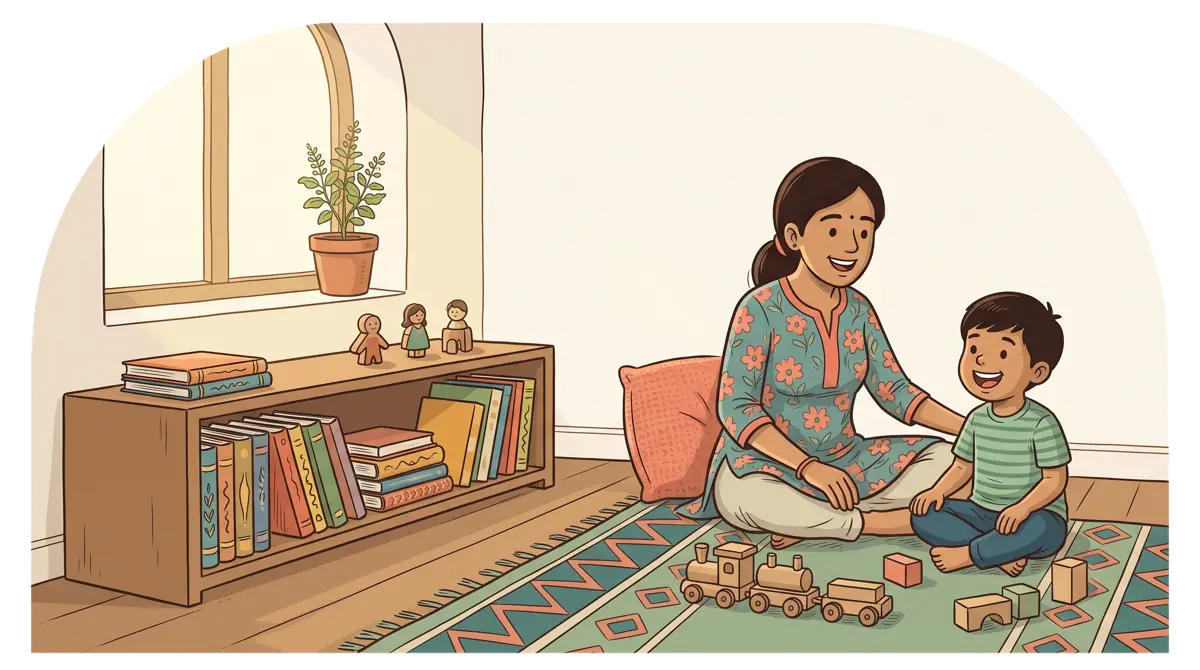 AutismA different way of communicating, relating and experiencing the world, and how to support it at home.All ages · 6 min read
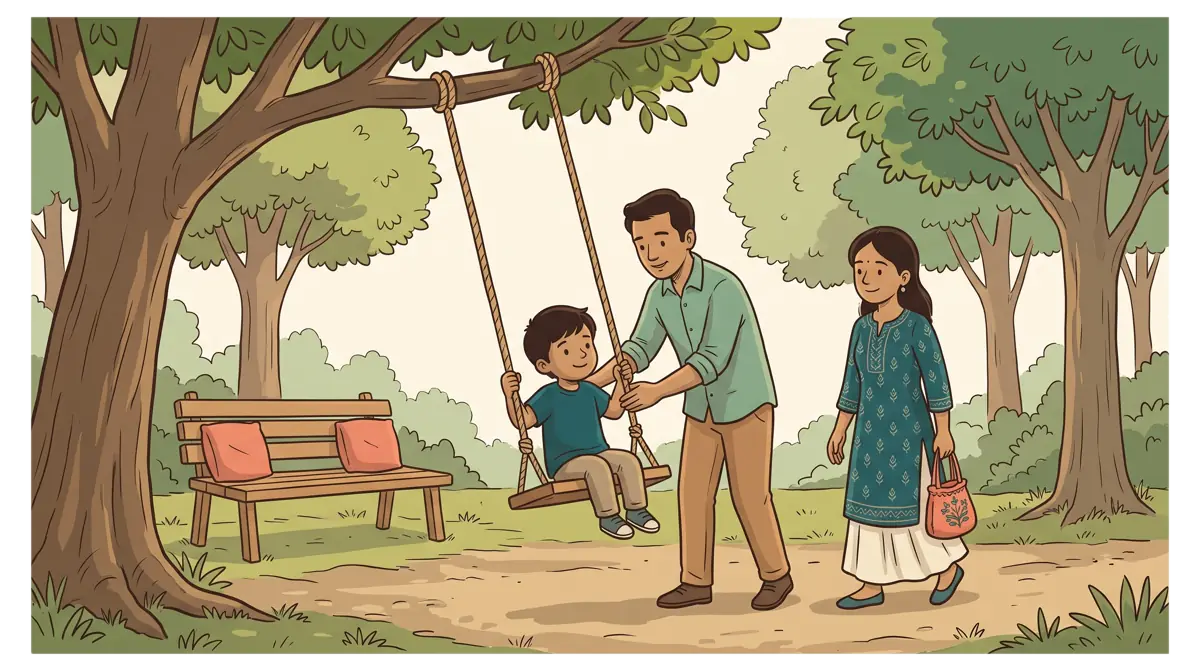 ADHDWhen attention, activity and impulse control work differently, and what helps day to day.4 – 18 years · 6 min read
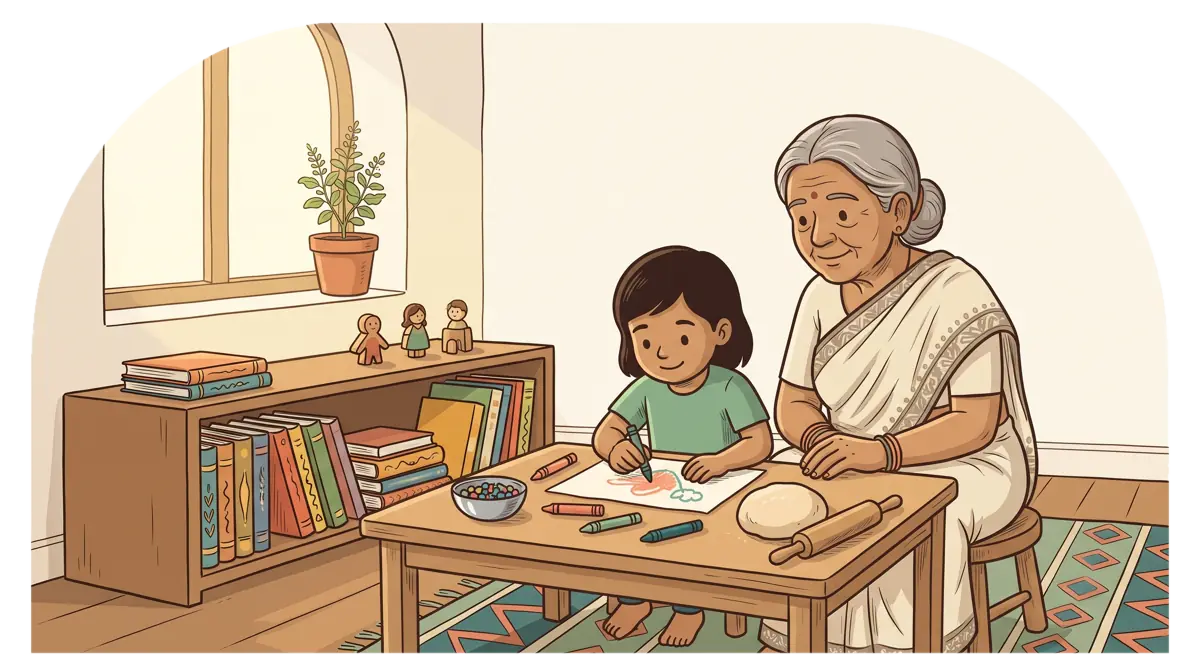 Learning difficultiesDyslexia, dysgraphia, dyscalculia: when reading, writing or maths is much harder than it should be.5 – 18 years · 5 min read
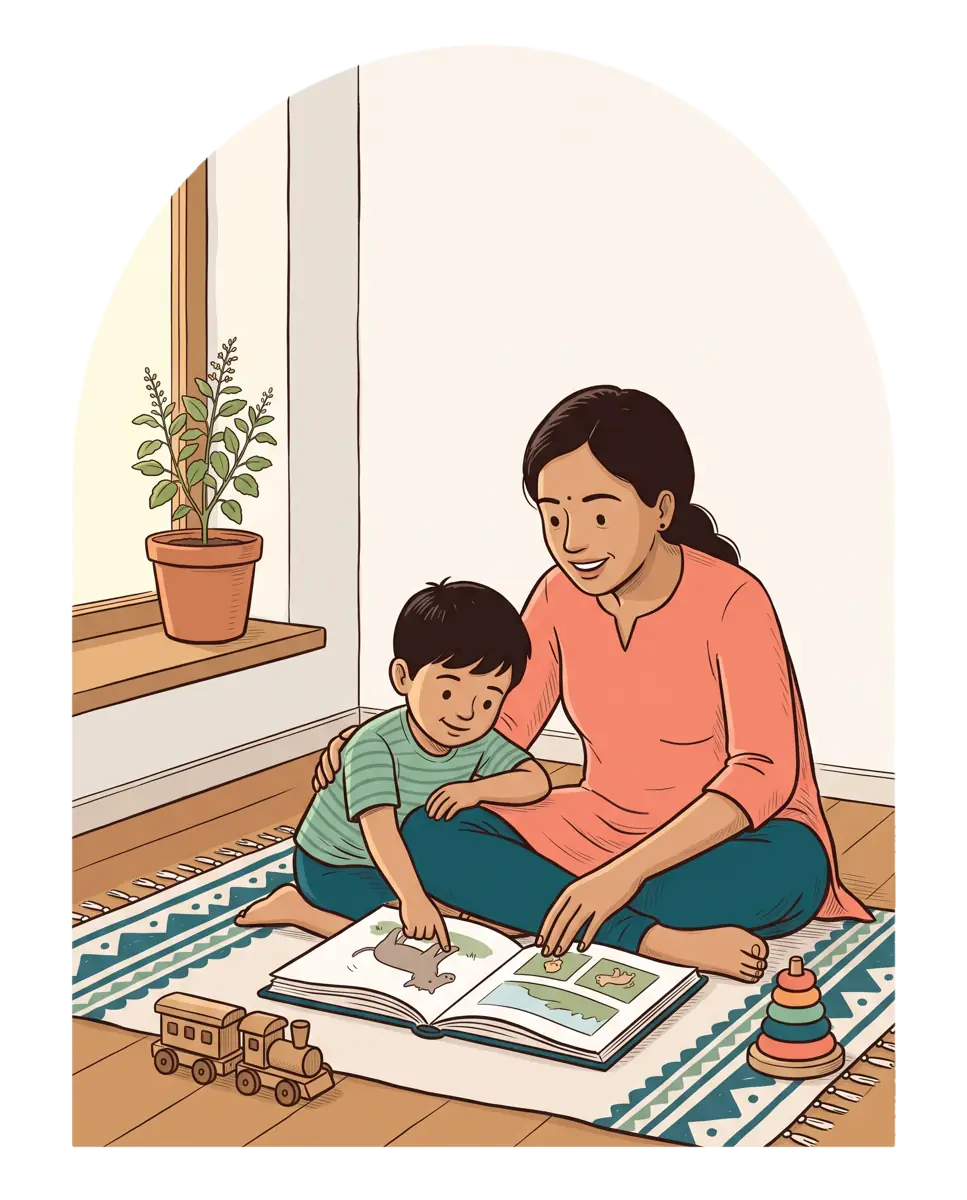 Speech and language delayWhen talking or understanding comes later than expected, and how to encourage it at home.18 months – 6 years · 5 min read
- Developmental delay and intellectual disabilityWhen a child reaches milestones later than others, and how support helps them keep learning.All ages · 6 min read
 Sensory differencesWhy sounds, clothes, food or touch can feel too much, or not enough, for some children.All ages · 5 min read
- Coordination difficulties (DCD)When buttons, handwriting, catching or cycling stay hard long after other children manage.4 – 18 years · 4 min read
- Anxiety in childrenWhen worries get big enough to stop a child doing everyday things, and how to help them feel safe.3 – 18 years · 5 min read
Everyday behavioural problems
The things that make ordinary days hard, and what helps.
- Late talking“Everyone says he’ll talk when he’s ready.” When to wait, and when to ask.
- Tantrums and meltdownsWhat is happening in a big outburst, what helps in the moment, and what helps afterwards.
- Picky eatingWhen the list of foods a child will eat is very short, and how to widen it without battles.
- Sleep troublesLate nights, night waking, early mornings: building a bedtime that works.
- Toilet trainingSigns of readiness, a calm routine, and what to do when it is taking longer.
- Screen timeHow much, which kind, and how to cut back without a fight.
- Not wanting to go to schoolTummy aches on Monday mornings: understanding school avoidance and working with the school.
- Teenage mood changesOrdinary ups and downs, or something more? How to stay close and when to get help.
Guides for families
Practical help with milestones, appointments, professionals, rights, everyday routines, family and looking after yourself.
- 01Preparing for a developmental assessmentWhat to bring, what to note down, and questions to ask, so the visit is worth it.
- 02Who’s who: the professionals who can helpDevelopmental paediatrician, child psychologist, OT, speech therapist, special educator, who does what.
- 03Milestones: what to expect and when to askWhat most children can do at 18 months, 2, 3, 4 and 5 years, and the signs worth asking about sooner.
- 04Why early support mattersWhy asking sooner helps, what early support really is, and where to begin.
- 05Myths and facts about child developmentVaccines, parenting, diets, screens and “he’ll talk when he’s ready”: what is true and what is not.
- 06Talking to family and neighbours about your childSimple words for hard conversations, and how to bring grandparents along.
- 07Supporting brothers and sistersWhen one child needs more attention, how to keep the others feeling seen.
- 08Routines that help at homePicture schedules, warnings before changes and “first, then”: small habits that make days calmer.
- 09Raising a child with more than one languageDoes speaking two or three languages delay talking? What the evidence says and what helps.
- 10Keeping your child safeWandering, water and emergency numbers: simple steps that give you peace of mind.
- 11The UDID card and your child’s rights at schoolWhat the RPwD Act, 2016 means for your child, and how to apply for a disability ID card.
- 12Caring for yourself as a parentLooking after a child with extra needs is a lot. Your wellbeing matters too.
General information, not medical advice. It is not a diagnosis or a substitute for a qualified professional.