
Routines that help at home
All ages · 4 min read
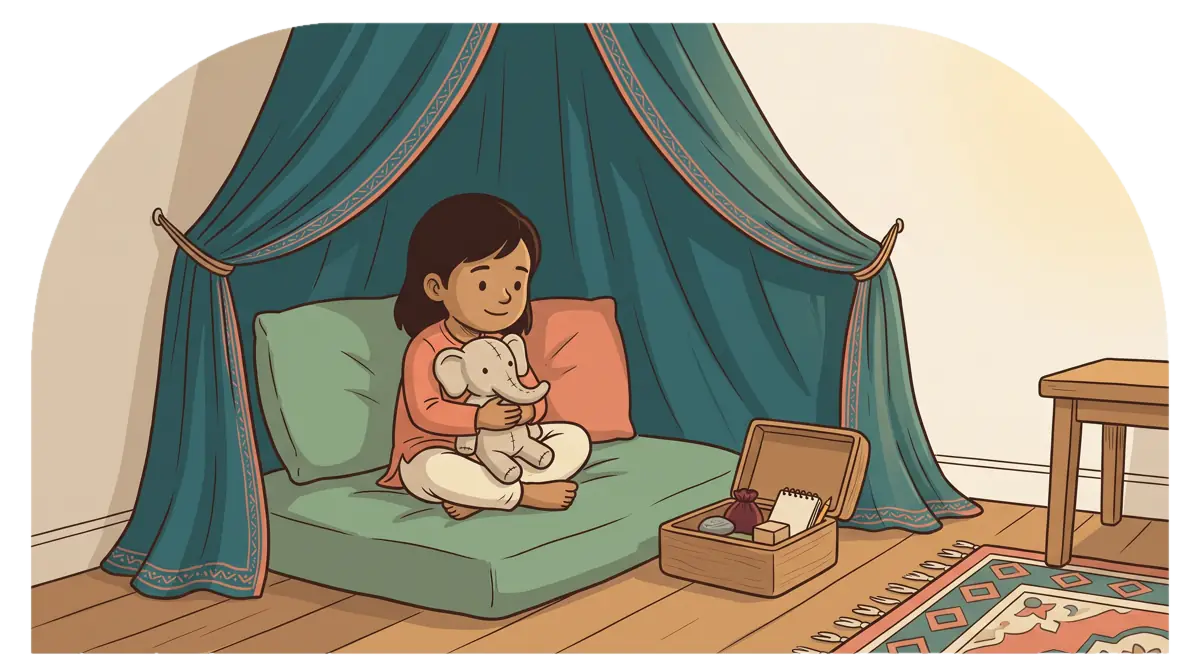
Many children feel calmer and learn faster when the day is predictable. A routine does not need to be strict. It needs to be clear, and the same most days.
Make the day visible
- Use a simple picture schedule on the wall: wake up, brush, breakfast, play, bath, story, sleep. Photos or drawings both work.
- Take a picture off or turn it over when each step is done. Your child can see what is finished and what comes next.
- Keep it to four or five steps at first.
Make changes easier
- Give a warning before a change: “Five more minutes, then bath.” A timer helps.
- Use “first, then”: “First shoes, then park.”
- Tell your child about a change in advance, such as a visitor or a different school bus.
Start small and keep going
- Choose the one time of day that is hardest, often mornings or bedtime, and work on that first.
- Do the same steps in the same order for two weeks before you judge whether it helps.
- Praise the effort, not just the result. “You put your shoes on by yourself!”
- Leave room for rest and free play. A routine is a frame, not a timetable.
Sources
Last updated 28 September 2026 · General information, not medical advice. It is not a diagnosis or a substitute for a qualified professional.