Skip to content
Nurtureby ZenQuip
Home planHow it worksLearnTrustLog inBegin free child assessment
  • Conditions
  • Everyday behavioural problems
  • Guides for families
Learn/Guides for families

Why early support matters

All ages · 4 min read
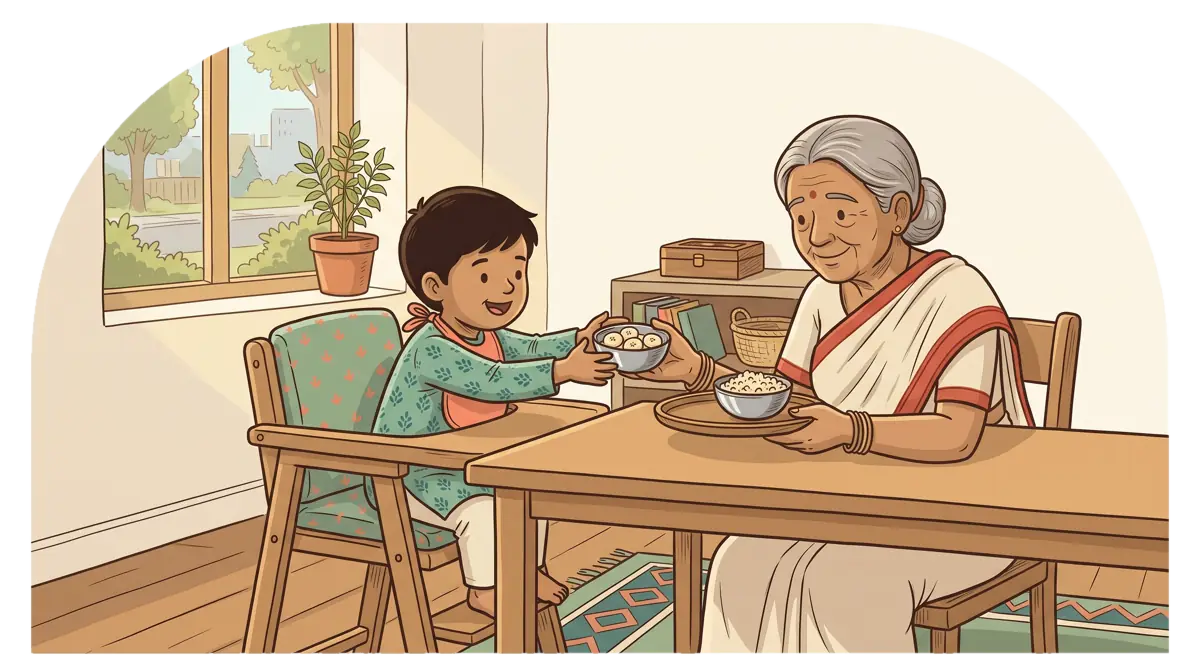
A young child’s brain learns faster than at any later age. Support that starts early has more time to help, and it costs families less worry than months of wondering. That is the reason to ask sooner rather than later.

What early support really is

  • Talking, singing, reading and playing together every day. This is the core of it.
  • Small changes to routines that make the day easier for your child.
  • When needed, therapy such as speech, occupational or behavioural therapy, with practice at home between sessions.
  • Support does not depend on a label. You can begin helping before any diagnosis.

Why “wait and see” can cost time

  • Appointments and therapy places often have waiting lists. Starting the process early means the wait passes while you are already helping at home.
  • An assessment gives information, not a verdict. It tells you where your child needs support and where they are strong.
  • Skills build on each other. Help with early communication or play makes later learning easier.

It is never too late

Children make progress at every age. If your child is older, begin now. Earlier simply means more time, not that later is too late.

Where to begin

  • Start with your paediatrician or family doctor and ask for a hearing and vision check, since both affect speech and learning.
  • Ask at your district hospital whether a District Early Intervention Centre (DEIC) is available. These centres under the Rashtriya Bal Swasthya Karyakram screen children and support early intervention.
  • Bring your Nurture report to any appointment. It gives the professional a clear summary.

Sources

  • Rashtriya Bal Swasthya Karyakram (Government of India)

Last updated 28 September 2026 · General information, not medical advice. It is not a diagnosis or a substitute for a qualified professional.

How Nurture can help

A Nurture report is a starting point for that conversation. It shows which areas are on track and which are worth a closer look, with ideas to try at home while you arrange an appointment.

Begin free child assessment

Related

  • Preparing for a developmental assessment→
  • Who’s who: the professionals who can help→
  • Milestones: what to expect and when to ask→

ZenQuip is a mental health support platform. It does not provide medical diagnoses and is not a substitute for evaluation or treatment by a qualified professional. If you are in crisis, call Tele-MANAS 14416 (or 1-800-891-4416) or KIRAN 1800-599-0019 or Vandrevala Foundation +91 9999 666 555 (India), or contact your local emergency services immediately.

View our crisis helplines reference (PDF)

Nurtureby ZenQuip

Children · Families · Experts, brighter tomorrows

Grievance Officer

Nurture

  • Home plan
  • How it works
  • FAQs

Learn

  • Conditions
  • Everyday behavioural problems
  • Guides for families

Trust

  • Trust & privacy
  • Pricing
  • Privacy policy
  • Terms of use
  • Refund policy
  • Request data removal (DPDPA)

Contact

  • support@zenquip.com
  • grievance@zenquip.com
  • +91 96540 06424

ZenQuip is a mental health support platform. It does not provide medical diagnoses and is not a substitute for evaluation or treatment by a qualified professional. If you are in crisis, call Tele-MANAS 14416 (or 1-800-891-4416) or KIRAN 1800-599-0019 or Vandrevala Foundation +91 9999 666 555 (India), or contact your local emergency services immediately.

View our crisis helplines reference (PDF)

© 2026 ZenQuip Healthcare Private Limited · CIN U86900RJ2026PTC115318

Nurture is part of the ZenQuip family · zenquip.com