
Learning difficulties
5 – 18 years · 5 min read
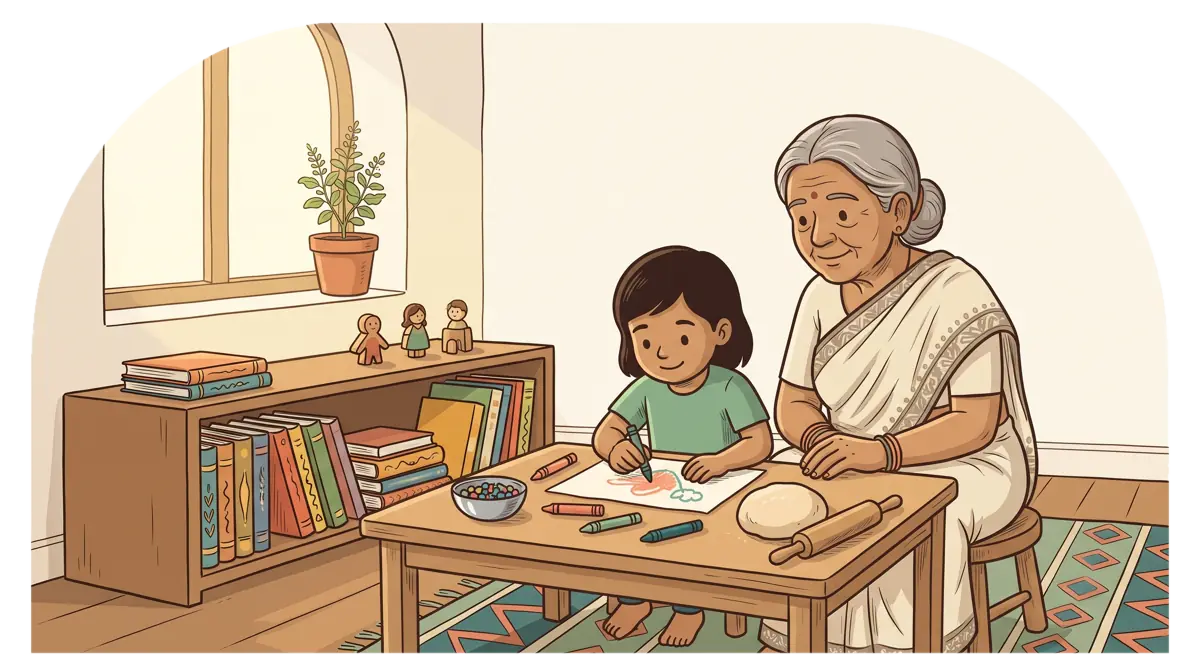
A specific learning difficulty means a child finds one area of learning, most often reading and spelling (dyslexia), handwriting (dysgraphia) or maths (dyscalculia) much harder than you would expect from how bright and capable they are otherwise.
It is not about intelligence or effort. With the right teaching and support, children with learning difficulties do learn, and many do very well.
What parents often notice
- Still mixing up letters and sounds, or guessing words from pictures, well after classmates have moved on.
- Reading slowly and tiring quickly; understanding a story read aloud much better than one they read themselves.
- Spelling the same word differently on one page; very messy or painful handwriting.
- Trouble remembering times tables, telling the time or handling money.
- Hating homework, saying “I’m stupid”, or tummy aches before school.
What helps at home
- Read aloud together every day for pleasure, not testing. Audiobooks count.
- Keep practice short, daily and fun: magnetic letters, rhymes, board games with dice and counting.
- Praise effort and strategy, not just marks.
- Talk to the class teacher early and ask what support they can offer in class.
Myths and facts
MythThey are lazy. They just need to try harder.
FactChildren with learning difficulties are often working harder than anyone else in the class.
MythThey will grow out of it.
FactThe difficulty stays, but good teaching and support make a big difference, and earlier is better.
When to talk to a professional
- Reading, writing or maths is clearly behind after a year or more of school, despite help.
- Your child is becoming anxious about school or losing confidence.
Who can help
- Special educator
- Child psychologist (for a learning assessment)
- Occupational therapist (for handwriting)
- Developmental paediatrician
Sources
Last updated 28 September 2026 · General information, not medical advice. It is not a diagnosis or a substitute for a qualified professional.