
Autism
All ages · 6 min read
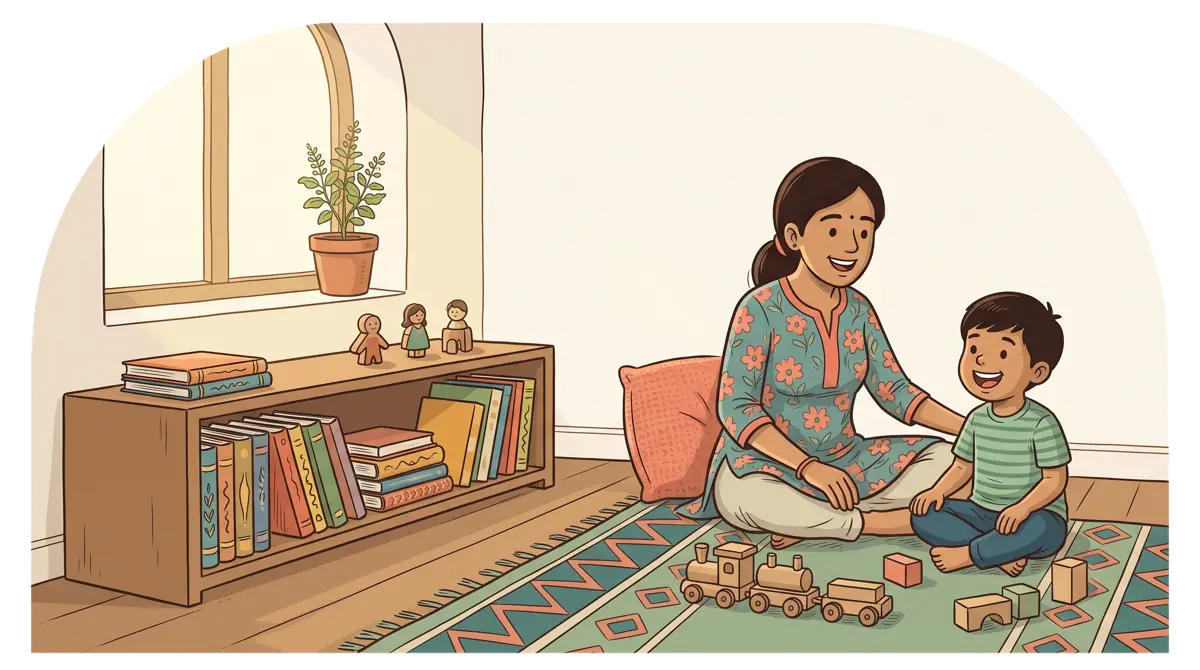
Autism is a lifelong difference in how a person communicates, relates to others and experiences the world. It is called a spectrum because it looks very different from one child to the next: some children talk a lot and some use few or no words; some need a lot of support and some need a little.
Autism is not caused by parenting, by screens or by vaccines. Children are born autistic; the signs usually become clearer in the first few years.
What parents often notice
- Not answering to their name by around the first birthday, even though hearing is fine.
- Few gestures such as pointing, waving or showing you things; less back-and-forth smiling or sharing.
- Talking late, losing words they used to say, or repeating phrases from videos or other people.
- Playing in particular ways, lining up toys, spinning wheels, watching things move, and finding it hard to be interrupted.
- Strong reactions to sounds, textures, lights or food, or seeming not to notice pain or cold.
- Big distress at small changes in routine, routes or rules.
- Many children are also affectionate, funny and deeply interested in the things they love. Both are true.
What helps at home
- Follow their lead in play. Join what they are already doing and add one small new thing.
- Use fewer words and more showing: point, use gestures, pictures and a visual timetable for the day.
- Keep routines predictable and warn before changes (“Two more minutes, then bath”).
- Notice what their senses need, a quiet corner, headphones, a firm hug, time to move, and plan for it.
- Celebrate every way they communicate, including gestures, pictures and devices. They do not stop speech from coming; they often help it.
Myths and facts
MythTwo languages at home confuse children and cause autism or late talking.
FactBilingual homes do not cause autism or delay. Speak the language you are most comfortable in.
MythAutism is caused by too much TV or by cold parenting.
FactNeither causes autism. Autism is a difference in how the brain develops.
MythAutistic children don’t feel love or want friends.
FactThey love and connect deeply, sometimes in ways that look different from what we expect.
When to talk to a professional
- No babbling or pointing by 12 months, no single words by 16 months, or no two-word phrases by 24 months.
- Any loss of words or social skills your child used to have, at any age.
- You, a teacher or a relative keep having the feeling that something is different. That feeling is worth checking.
Who can help
- Developmental paediatrician
- Child psychologist
- Speech and language therapist
- Occupational therapist
Sources
- World Health Organization; Autism
- NHS, Autism
- American Academy of Pediatrics (HealthyChildren.org) Autism
Last updated 28 September 2026 · General information, not medical advice. It is not a diagnosis or a substitute for a qualified professional.