Skip to content
Nurtureby ZenQuip
Home planHow it worksLearnTrustLog inBegin free child assessment
  • Conditions
  • Everyday behavioural problems
  • Guides for families
Learn/Guides for families

Myths and facts about child development

All ages · 4 min read
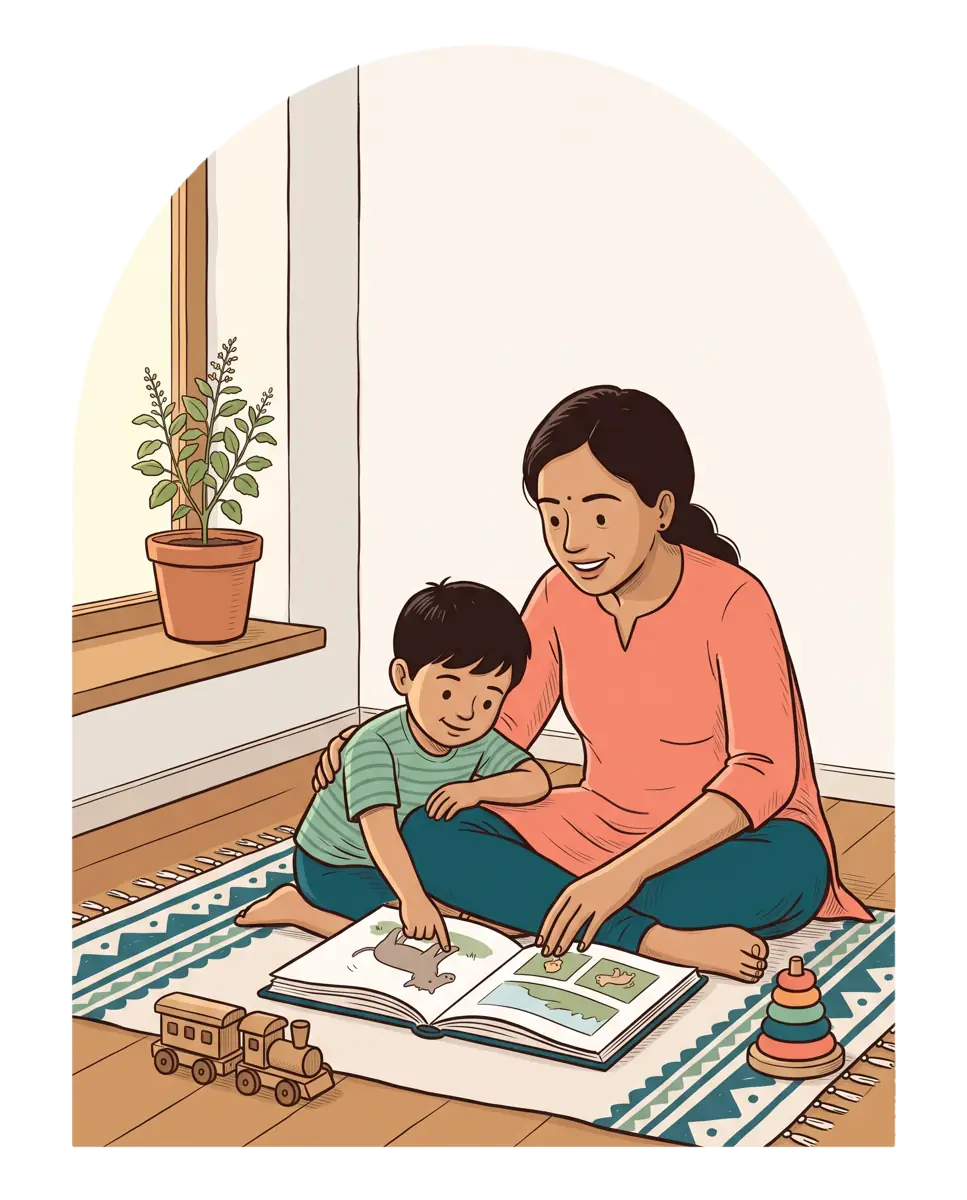
Families hear a lot of advice about children who develop differently, and some of it is wrong. Some myths cause guilt, and others cause delay. Here are the ones we hear most, with what is actually known.

Myths and facts

  • MythAutism is caused by bad parenting or a cold mother.

    FactNo. Autism comes from differences in how the brain develops, and it often runs in families. Parents do not cause it.

  • MythVaccines cause autism.

    FactLarge studies in many countries have found no link between vaccines and autism. Please keep your child’s vaccinations up to date.

  • MythHe will talk when he is ready. Boys always talk late.

    FactSome children do catch up, but nobody can tell in advance which ones. A hearing check and a developmental check are quick, and they show whether help is needed.

  • MythA child who makes eye contact or has friends cannot be autistic.

    FactChildren differ widely. Signs can be quieter, especially in girls, and many are missed for years.

  • MythChildren with ADHD are just naughty or lazy.

    FactAttention and impulse control develop differently in ADHD. These children need understanding and support, not more punishment.

  • MythA label will harm my child, so it is better not to ask.

    FactNot knowing harms more than knowing. A clear picture is what opens the door to support, school help and understanding at home.

  • MythA special diet or supplement can cure autism or ADHD.

    FactNo diet or supplement has been shown to cure either. Please talk to a doctor before cutting foods out, because children still need a balanced diet to grow.

  • MythScreens cause autism.

    FactThere is no evidence that screens cause autism. Long hours on a screen can still crowd out talking and play, which children need.

Sources

  • World Health Organization: autism spectrum disorders

Last updated 28 September 2026 · General information, not medical advice. It is not a diagnosis or a substitute for a qualified professional.

How Nurture can help

The Nurture report looks at what you tell us about your child and explains it in plain words. It is not a diagnosis, and it does not label your child.

Begin free child assessment

Related

  • Preparing for a developmental assessment→
  • Who’s who: the professionals who can help→
  • Milestones: what to expect and when to ask→

ZenQuip is a mental health support platform. It does not provide medical diagnoses and is not a substitute for evaluation or treatment by a qualified professional. If you are in crisis, call Tele-MANAS 14416 (or 1-800-891-4416) or KIRAN 1800-599-0019 or Vandrevala Foundation +91 9999 666 555 (India), or contact your local emergency services immediately.

View our crisis helplines reference (PDF)

Nurtureby ZenQuip

Children · Families · Experts, brighter tomorrows

Grievance Officer

Nurture

  • Home plan
  • How it works
  • FAQs

Learn

  • Conditions
  • Everyday behavioural problems
  • Guides for families

Trust

  • Trust & privacy
  • Pricing
  • Privacy policy
  • Terms of use
  • Refund policy
  • Request data removal (DPDPA)

Contact

  • support@zenquip.com
  • grievance@zenquip.com
  • +91 96540 06424

ZenQuip is a mental health support platform. It does not provide medical diagnoses and is not a substitute for evaluation or treatment by a qualified professional. If you are in crisis, call Tele-MANAS 14416 (or 1-800-891-4416) or KIRAN 1800-599-0019 or Vandrevala Foundation +91 9999 666 555 (India), or contact your local emergency services immediately.

View our crisis helplines reference (PDF)

© 2026 ZenQuip Healthcare Private Limited · CIN U86900RJ2026PTC115318

Nurture is part of the ZenQuip family · zenquip.com